


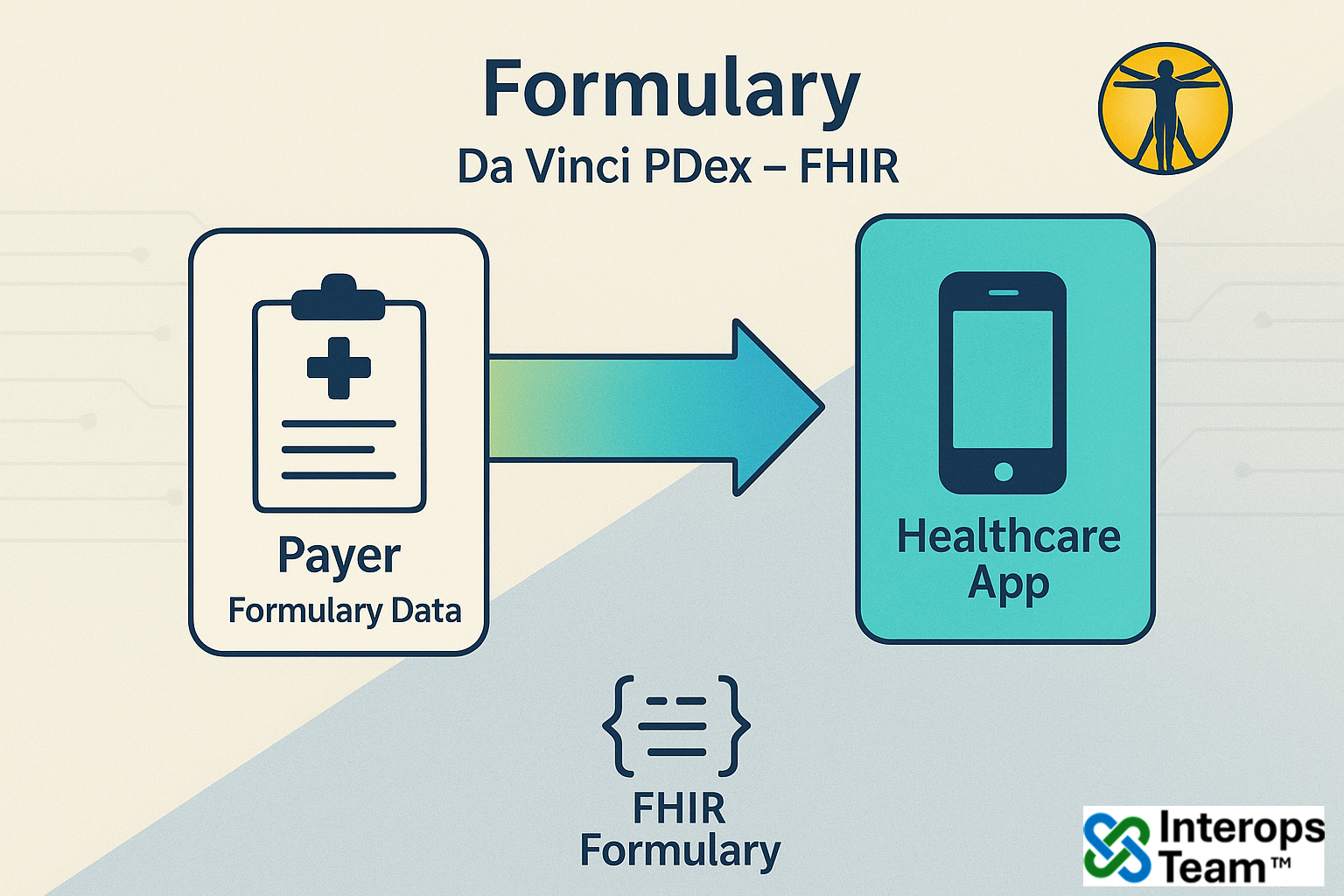
Medication costs and coverage rules are a major source of friction for patients and clinicians. Formularies, tiers, and prior authorization rules are often buried in PDFs, portals, or plan-specific tools that are difficult to navigate at the point of decision-making. The Formulary API exposes a structured, machine-readable view of drug coverage so that consumer apps, cost estimators, and clinical workflows can surface accurate information before a prescription is written.
Patient & Member Experience
- Searchable, up-to-date lists of covered drugs by plan.
- Visibility into tiers, copays, coinsurance, and preferred alternatives.
- Transparency about step therapy, quantity limits, and prior authorization flags.
- Ability to compare options across plans during enrollment or coverage changes.
Clinician / Pharmacy Experience
- Drug coverage details available before finalizing a prescription.
- Ability to identify preferred alternatives or lower-cost options at order time.
- Clear indicators when prior authorization or step therapy applies.
- Support for shared decision-making with patients around cost and access.
Technical & Standards Alignment
- FHIR R4 – Da Vinci PDex Formulary:
FormularyDrug,InsurancePlan, and related profiles. - RESTful FHIR APIs to list plans, formularies, and covered drugs with filters.
- Linkage to Patient Access API and plan selection for the member.
- Support for formulary-level metadata such as tier, prior auth required, step therapy, and quantity limits.
- Standardized coding for drugs (e.g., RxNorm, NDC) and benefits.
Governance & Compliance
- Meets CMS 9115-F requirements for public-facing formulary access.
- Published endpoints with uptime, availability, and documentation expectations.
- Clear versioning of plans and formularies across benefit years.
- Governed change management when tiers, coverage, or PA rules are updated.
- Alignment with plan documents and member disclosures to avoid discrepancies.
Value by Audience
Patients & Members:
- Early understanding of medication costs and restrictions.
- Fewer surprises at the pharmacy counter.
- Ability to choose plans that better align with ongoing medication needs.
Clinicians & Care Teams:
- Right drug, right plan, right cost on the first try.
- Reduced callbacks from pharmacies and fewer prescription changes after the fact.
- Better alignment between clinical choice and financial reality.
IT & Architecture:
- Standardized API surface instead of bespoke formulary feeds or PDFs.
- Structured data consumable by EHRs, cost estimator tools, and mobile apps.
- Reduced duplication across portals and channel-specific implementations.
Payers:
- Regulatory compliance for formulary transparency.
- Fewer inbound calls about drug coverage and tiering.
- Ability to steer toward preferred products through decision support, not just policy.
Capabilities
- List and search formularies by plan and coverage period.
- Query covered drugs with tier, PA, and step therapy indicators.
- Retrieve plan and formulary metadata for use in enrollment and comparison tools.
- Integrate with Patient Access apps for member-specific views of coverage.
- Support for linking to pricing tools or cost estimator services.
Da Vinci Alignment
For detailed profiles and interactions, see the DaVinci Payer Data Exchange (PDex) US Drug Formulary Implementation Guide, which defines the FHIR resources, search parameters, and coding expectations used by payer formulary APIs.
Optional Alternative Approaches
Organizations may extend the Formulary API with additional cost transparency services, such as real-time benefit checks, estimated out-of-pocket calculators, or plan comparison tools. These patterns build on the same formulary data but focus on patient and clinician-friendly experiences rather than exposing raw benefits language.