


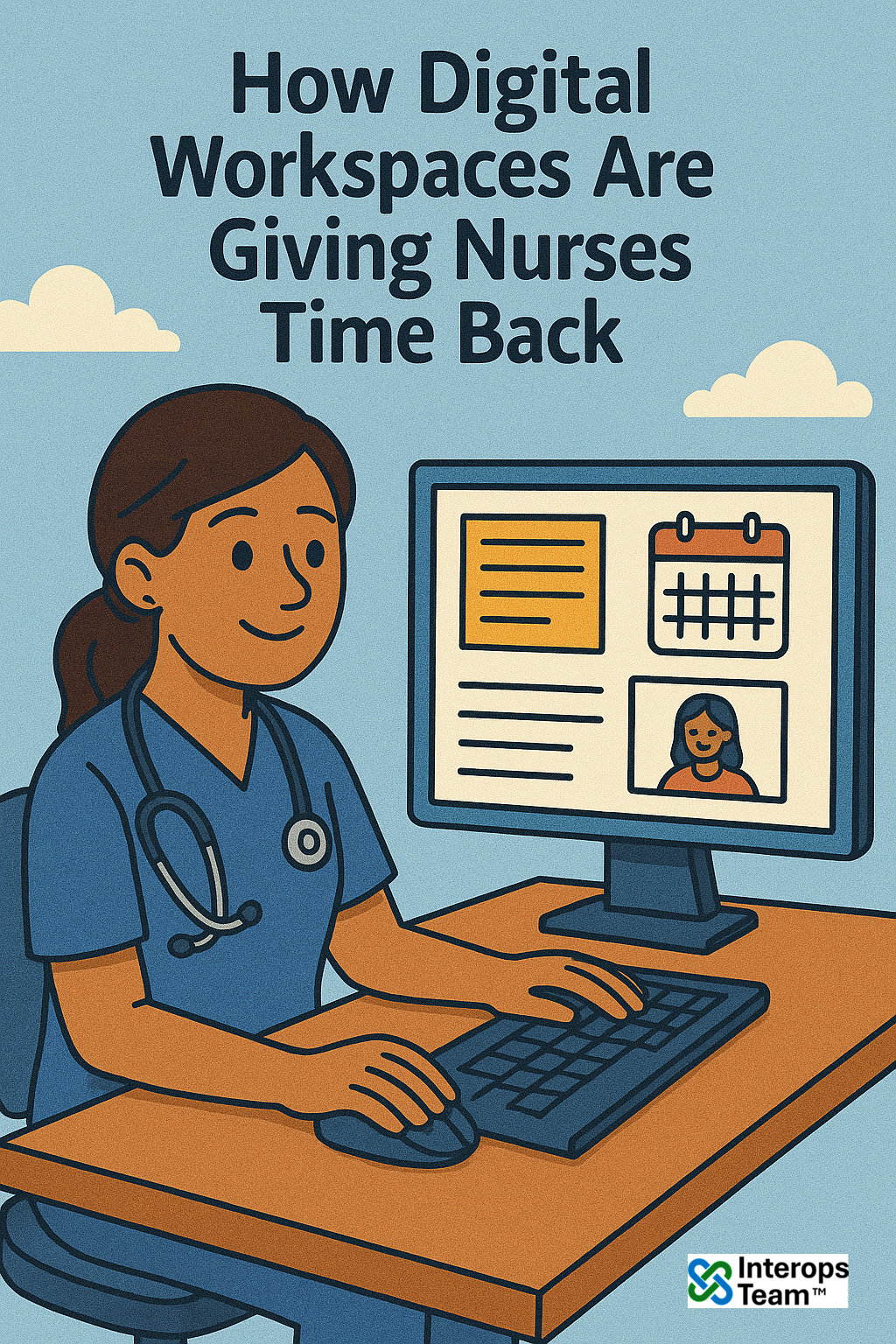
Nursing has always been at the center of patient care, yet nurses often carry the heaviest documentation and coordination burden in the hospital. The good news is that a new generation of digital workspaces is beginning to reverse that trend. By unifying tasks, messages, and patient context into a single, thoughtful experience, these tools are giving nurses meaningful time back for direct care.
Modern workspaces integrate directly with the electronic medical record, task management systems, and secure messaging platforms. Instead of switching between multiple windows and logins, nurses can view priorities, document key activities, and collaborate with the care team from one consolidated screen. This reduces cognitive load and makes it easier to stay focused on the patient.
Mobile capabilities are also transforming the workflow. Many organizations are rolling out secure nursing apps that support barcode scanning, medication administration checks, and bedside documentation. These tools help nurses complete work where it happens, rather than at a workstation down the hall, which improves both efficiency and patient engagement.
Real time data is another important ingredient. Digital workspaces can surface early warnings, critical results, and pending tasks without overwhelming staff. When thoughtfully configured, these tools highlight what matters most rather than adding noise, enabling nurses to make timely, confident decisions.
As these platforms continue to mature, the future looks bright. Nurses will increasingly spend less time wrestling with fragmented technology and more time applying their expertise at the bedside, supported by digital tools that truly understand the realities of patient care.
Designing nurse-centered digital workspaces
Interops Team™ helps you plug digital workspace tools into nursing workflows in a way that actually saves time. We focus on reducing context switching and making data appear where work happens.
- Map current-state nursing workflows across units and shifts
- Integrate notifications, tasks, and documentation into fewer screens
- Align device and app strategies with clinical communication policies