


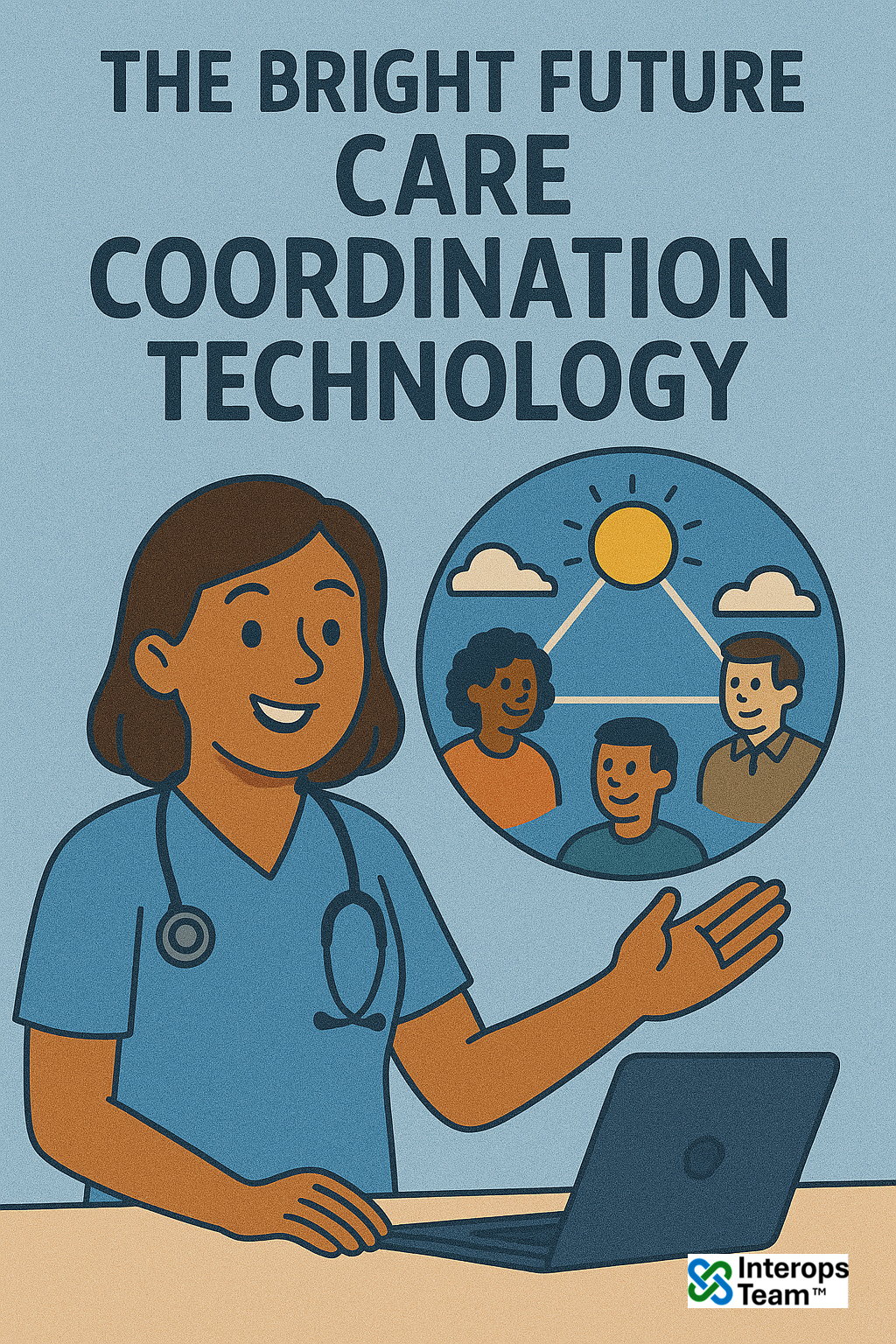
Care coordination has always been central to high quality healthcare, yet historically it has relied heavily on phone calls, sticky notes, and manual follow-up. Today, modern coordination platforms are changing that reality. A new generation of tools is emerging, integrated, team-friendly, mobile ready, and deeply connected to clinical applications.
EMR integration has made the biggest difference. Coordinators can now see real-time patient status, pending tasks, orders, and discharge planning steps without bouncing between systems. This visibility reduces delays, prevents communication gaps, and helps teams deliver smoother transitions of care.
Cloud-native coordination tools further amplify this progress. With secure messaging, shared task lists, and automated reminders, multidisciplinary teams can collaborate asynchronously while maintaining situational awareness. These tools make care coordination feel organized, predictable, and far less stressful than in the past.
Patient-facing features are also expanding. Many platforms now allow patients to track their own care plans, receive timely updates, and communicate directly with care teams. This transparency increases patient confidence and reduces confusion during complex care journeys.
The future of care coordination is bright: streamlined workflows, better communication, and a more human-centered experience for both patients and staff. For the first time, technology is removing barriers rather than adding them.
Connecting the care coordination ecosystem
Interops Team™ helps you plug referral, care management, community, and EMR tools into a care coordination platform. We focus on data and workflows that follow the patient.
- Map coordination workflows across acute, ambulatory, and community partners
- Design event-driven patterns for referrals, tasks, and status updates
- Align care coordination tools with EMR documentation and quality programs